New Article in Cambridge Opera Journal
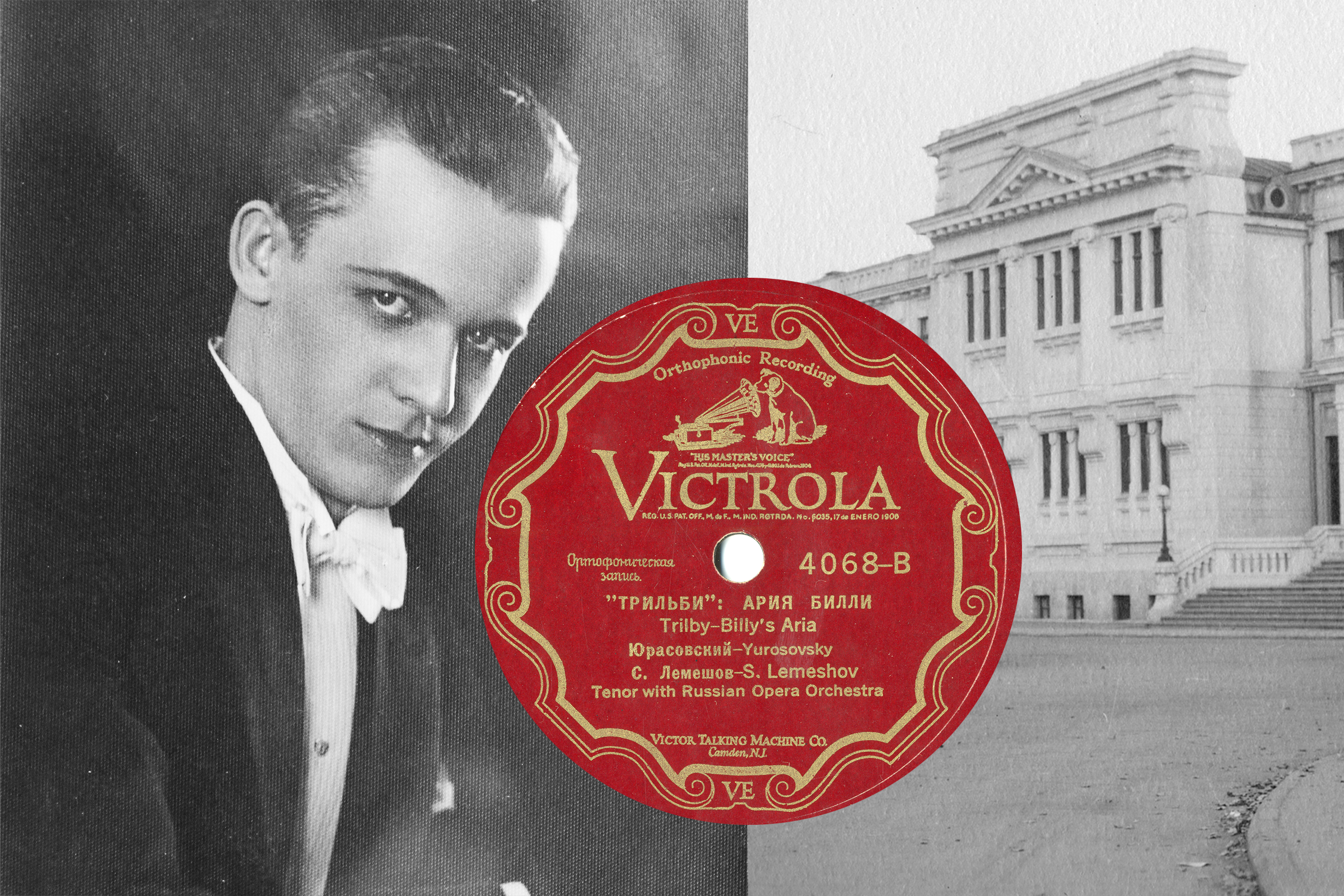
Geopolitical tensions escalated between the USSR and the Republic of China over control of the Chinese Eastern Railway during the late 1920s, resulting in a brief war in which several thousand people were killed. Given the violence in Manchuria in the months preceding direct military engagement, it is surprising that Soviet authorities sent an opera tour to the zone of conflict. This article examines the two seasons spent by visiting Soviet opera vocalists at the Railway Assembly Hall (Zhelsob) from September 1927 to February 1929, attending to the staging, reception and political goals of the tour. I argue that the opera stage in the city of Harbin transformed into a temporary zone of informal extraterritoriality, where unpredictable collaborations transpired between ideological enemies on either side of the military clash. The Soviet opera tour to Manchuria prompts us to reconsider the agency and intentionality of musicians in armed conflict. Read the full article here.